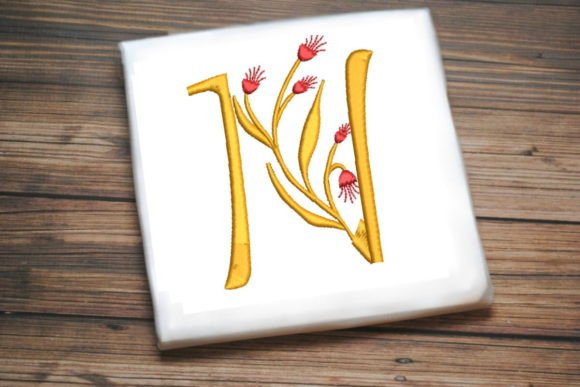
Damask Redwork: A Pro Review for Branded Merch
As an embroidery designer who has spent years digitizing and reviewing files for small business clients, I approach every new machine embroidery design with a critical eye. It is not just about whether a pattern looks pretty on a screen; it is about how that digital embroidery file translates into a tangible asset that builds brand identity. Today, I am taking a close look at Damask Redwork, a listing found in the Freebies category under Embroidery. While the product description highlights its suitability for quilt blocks and amazing patterns, my focus is strictly on its potential for small business merch, branded patches, and professional apparel decoration.
First Impressions: Elegance Meets Tradition
The title Damask Redwork immediately evokes a specific aesthetic. "Damask" suggests complexity, weaving, and a classic, perhaps even luxurious feel, while "Redwork" points to a historical style of embroidery known for using a single color of thread, typically red, on white or neutral fabric. When reviewing this design for a client, my first impression is that it feels elegant, classic, and undeniably handmade. It does not scream "modern tech startup"; rather, it whispers of artisanal quality, heritage, and warmth.
For a boutique owner, a florist, or a bakery looking to establish a rustic yet premium vibe, this visual personality is gold. The simplicity of the single-color execution often reads as sophisticated rather than cheap, provided the digitizing is clean. In a market saturated with overly complex, multi-color logos, a well-executed redwork design can stand out by offering a sense of timeless tradition. However, because it is categorized as a freebie, one must be extra vigilant about the quality of the stitching before committing it to a commercial run.
Real-World Business Applications
Let us imagine a real-world scenario. A local café wants to upgrade their staff uniforms, or a handmade soap brand needs a signature mark for their tote bags. How does Damask Redwork perform in these contexts?
- Embroidered Patches: This is perhaps the strongest use case. A damask pattern works beautifully as a woven or embroidered patch that can be sewn onto aprons, canvas bags, or denim jackets. The intricate lines of a damask motif create a high-value look that elevates a simple garment into custom apparel.
- Apron Embroidery: For bakeries and florists, an apron is a walking billboard. Placing this design on the chest or the pocket of a linen apron adds a touch of artisanal charm that customers associate with quality craftsmanship.
- Tote Bag Design: Canvas tote bags are staples for retail shops. A large-scale version of this design, stitched in a contrasting thread color, can serve as a striking central graphic that encourages customers to carry the brand around town.
- Cap Embroidery: While possible, this requires caution. The curved surface of a cap front can distort intricate damask lines. If used here, it should be simplified or placed on a flat patch attached to the cap rather than stitched directly onto the crown.
- Product Packaging Accents: Beyond clothing, this design could be stitched onto fabric tags attached to product packaging, serving as a seal of authenticity for handmade goods sold on Etsy or in local markets.
Critical Considerations for Commercial Use
While the aesthetic potential is high, a professional reviewer must also identify where Damask Redwork might fail if not handled correctly. The devil is always in the details when moving from a digital preview to a finished product.
Scale and Stitch Density: Damask patterns are inherently detailed. If you attempt to shrink this design for a tiny chest logo or a small sleeve detail, you risk losing the definition. High stitch density in a small area can lead to thread breaks, puckering, and a muddy appearance where individual lines merge. Before production, you must test the design at the exact size intended for the final item.
Fabric Texture and Color: Redwork traditionally relies on high contrast. On dark uniforms, a standard red thread might get lost unless a bright variant is chosen. Furthermore, textured fabrics like heavy canvas or pique polo shirts can interfere with the fine outlines typical of damask designs. Smooth, tightly woven fabrics like twill or broadcloth will yield the crispest results.
Durability: Items like aprons and work shirts undergo frequent washing. A design with long satin stitches or insufficient underlay may degrade faster than a fill-stitch logo. It is crucial to verify that the embroidery file includes proper underlay stitching to ensure longevity in a commercial environment.
Impact on Brand Identity and Trust
Why go through the trouble of embroidering instead of printing? The answer lies in perceived value. An embroidered patch or direct stitch adds texture and dimension that vinyl cannot match. When a customer sees Damask Redwork on a product, it signals that the business cares about details. This enhances brand identity by projecting stability and professionalism.
For handmade brands, this design reinforces the narrative of the "maker." It tells the customer that the product was crafted with care, mirroring the labor involved in the embroidery itself. This visual consistency across staff uniforms, packaging, and merchandise builds recognition and trust, turning a one-time buyer into a loyal advocate for the brand.
Professional Designer Notes for Implementation
Before you download this freebie and start stitching for clients, adhere to these practical steps to ensure a professional outcome:
- Test in Black and White: Convert your preview to grayscale. If the design relies solely on color contrast to define its shapes, it may not hold up when stitched in a single thread color on certain fabrics.
- Verify Hoop Size: The product description mentions quilt blocks, which implies a larger format. Confirm the maximum hoop size required. If your commercial machine only handles a 4x4 hoop, this design might need to be split or resized, which could ruin the pattern's integrity.
- Check Thread Colors: Even though it is "redwork," ensure the recommended thread chart offers enough contrast for your specific fabric choice. Do not assume the default red will work on navy blue or black.
- Use Proper Stabilizer: Intricate designs demand stable foundations. Use a cut-away stabilizer for stretchy fabrics and tear-away for stable wovens to prevent distortion during the stitching process.
- Create a Printable Mockup: Before stitching a single thread, create a printable mockup superimposed on photos of your actual merchandise. Show this to your client for approval to manage expectations regarding scale and placement.
- Confirm Licensing: This is the most critical step for commercial use. Just because an item is listed under "Freebies" does not automatically grant commercial rights. You must read the specific license terms included with the download. Ensure you are allowed to use the design assets for items you intend to sell.
In conclusion, Damask Redwork holds significant promise for businesses seeking a classic, artisanal look. However, its success depends entirely on careful application, appropriate sizing, and strict adherence to licensing terms. By treating this free resource with the same rigor as a premium custom digitization, small business owners can leverage it to create stunning, high-value merchandise that resonates with their customers.