Monogram W Review: A Summer-Ready Design for Small Business Merch
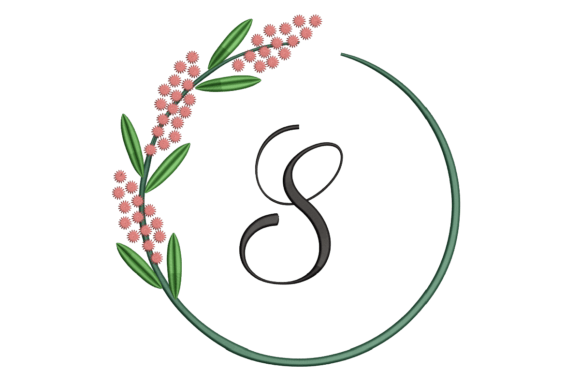
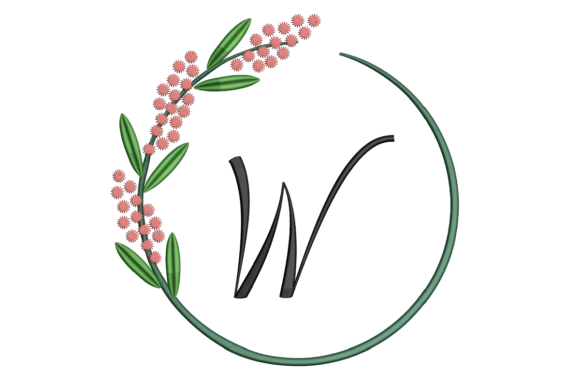
As an embroidery designer who has digitized thousands of logos and reviewed countless machine embroidery design files for commercial use, I approach every new asset with a critical eye. It is not just about whether a design looks pretty on a screen; it is about how it performs under the needle, how it translates to fabric, and ultimately, how it serves a brand. Today, I am reviewing Monogram W, a floral monogram file categorized under Shapes and Embroidery. Based on its description promising "summer warmth" and "simple and elegant stitching patterns," this design positions itself as a versatile tool for small business owners, from boutique florists to local bakeries looking to elevate their branded merchandise.
First Impressions: Elegance Meets Seasonal Warmth
The immediate visual personality of Monogram W feels distinctly premium yet approachable. The combination of a classic initial with floral elements suggests a brand identity that values tradition but embraces a softer, more organic aesthetic. For a handmade product creator or an Etsy seller, this balance is crucial. It avoids the starkness of corporate minimalism while steering clear of being overly whimsical or childish. The description hints at a "hint of summer warmth," which tells me this design likely utilizes flowing lines and perhaps lighter, airy fill patterns rather than dense, blocky satin stitches. This makes it an excellent candidate for businesses wanting to project friendliness and creativity without sacrificing professionalism.
For a wedding-focused business or a lifestyle brand, this design speaks directly to the customer's desire for something special. However, as a reviewer, I look past the romance to the mechanics. Does "simple and elegant" mean low stitch density, which is great for speed, or does it imply fine details that might break down on rough textiles? These are the questions every apparel decorator must ask before purchasing a digital embroidery file.
Real-World Application for Small Business Merch
Let us imagine a real-world scenario. A local café wants to upgrade their staff uniforms, or a florist needs branded tote bags for peak season. Monogram W shines in these contexts. Because it is a monogram, it acts as a subtle mark of ownership rather than a loud billboard. Here is how I see it performing across various commercial embroidery projects:
- Embroidered Patches: This is arguably the strongest use case. Creating a custom patch with Monogram W allows a business to apply branding to existing inventory. A bakery could sew these onto apron pockets, or a pet brand could attach them to bandanas. The floral elements add texture that makes the patch feel like a piece of art rather than just a logo.
- Cap Embroidery: Placing this design on the front of a dad hat or visor offers a trendy, boutique look. The curved surface of a cap requires careful digitizing, but the "simple" nature of the stitching patterns suggests it should handle the curve well, provided the column widths are not too wide.
- Tote Bag Design: Canvas tote bags are a staple for retail shops. Monogram W works beautifully as a chest-level accent or a centered feature on a bag. The floral motifs complement natural fabrics like cotton and linen perfectly.
- Apron Embroidery: For studios and workshops, branding the apron is a must. This design adds a touch of elegance to what is otherwise a utilitarian garment, enhancing the perceived value of the service provided by the wearer.
- Customer Gifts: Small businesses often give gifts to loyal clients. A handkerchief or a small pouch featuring this monogram serves as a high-value, low-cost thank you that reinforces brand recognition.
Critical Considerations for Production
While the aesthetic appeal is high, there are specific areas where Monogram W requires caution. As a designer, I always advise testing before committing to a large run. The description mentions "wedding of your dreams," which implies fine detail. Fine details can be problematic in certain environments.
First, consider stitch density. If the floral elements are too dense, they may cause puckering on lightweight fabrics like poly-cotton blends used in work shirts. Conversely, if the density is too low, the fabric might show through, ruining the crisp look on dark uniforms. Second, think about fabric texture. This design is likely optimized for smooth surfaces. Applying it to highly textured items like terry cloth towels or coarse burlap could result in lost details, where the tiny petals of the flowers merge into a blob of thread.
Furthermore, size matters. If you intend to use this as a tiny sleeve detail or on a small product label, you must verify the minimum viable size. Intricate outlines and small lettering within the floral arrangement may not translate well below a certain inch threshold. Always request a printable mockup or run a test stitch-out on the actual material you plan to use. Do not assume the design will work on a curved cap front without checking the underlay settings in your software.
Impact on Brand Identity and Customer Trust
In the world of small business merch, consistency is key to building trust. Monogram W offers a way to humanize a brand. Unlike a generic sans-serif font, a floral monogram suggests care, attention to detail, and a personal touch. When a customer sees this level of detail on an embroidered patch or a custom apparel item, it signals that the business invests in quality. This perception directly influences buyer engagement and product value.
For handmade brands, using a design that looks "digitally perfect" can sometimes feel cold. However, because this file promises "elegant stitching patterns," it likely retains some of the organic feel of hand-stitching while maintaining the durability of machine work. This bridges the gap between mass production and artisanal craft, helping small businesses compete with larger retailers by offering unique, high-quality design assets.
Practical Designer Notes for Implementation
Before you download and start stitching, here is my professional checklist for integrating Monogram W into your workflow:
- Test in Black and White: Before selecting your vibrant summer thread colors, stitch the design in black thread on white fabric (and vice versa). This reveals the true structure of the design and highlights any spacing issues that color might hide.
- Verify Hoop Size: Ensure the design fits within your available hoop size, especially if you are working with smaller items like cap fronts or pocket placements. The product category is Shapes, so confirm the dimensions match your intended placement.
- Check Stabilizer Requirements: Floral designs often benefit from a cut-away stabilizer to prevent distortion over time, especially if the finished product will be washed frequently. Do not skimp on stabilizer quality.
- Review Thread Color Contrast: To maintain the "summer warmth," choose thread colors that pop against your base fabric but still read clearly from a distance. Avoid low-contrast combinations that make the floral details disappear.
- Confirm Commercial Licensing: Since this is for business use, strictly review the license terms included with the digital embroidery file. Ensure you have the rights to use it for commercial merchandise and not just personal projects.
- Create a Mockup: Always present a digital mockup to your client or visualize it yourself before hooping. Compare it beside other brand assets to ensure visual consistency.
In conclusion, Monogram W appears to be a strong contender for businesses seeking to add a touch of elegance and seasonal charm to their merchandise. Whether used for a florist's apron, a boutique's tote bag, or a studio's branded patch, its potential to enhance brand identity is significant. However, success lies in the preparation. By respecting the limitations of fabric texture, stitch density, and sizing, you can transform this simple design into a powerful tool for customer engagement. Always remember to check the specific file details regarding format and exact dimensions, as these are not provided in the general description, and let your test stitches guide your final production decisions.