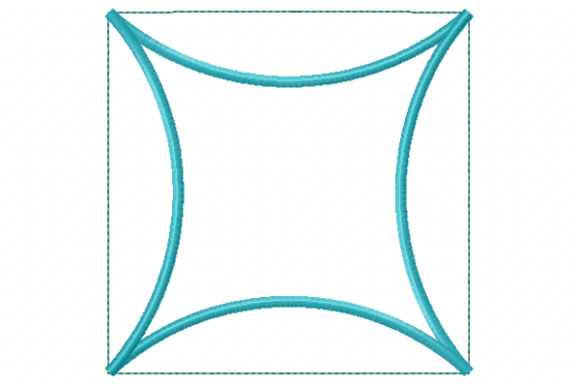
Cathedral Window Quilt Block: A Designer's Review
As an embroidery designer who spends more time at the hoop than away from it, I am always on the lookout for designs that bridge the gap between traditional craftsmanship and modern gifting trends. Recently, I had the opportunity to test the Cathedral Window Quilt Block, a machine embroidery design that promises to bring intricate patterns and motifs to fabric squares ready for assembly. My goal was simple: determine if this digital embroidery file holds up under the scrutiny of a professional personalized gift shop environment. Could it transform a simple piece of cloth into a heirloom-quality item? After running several tests, I am ready to share my findings with fellow crafters, Etsy sellers, and small business owners.
First Impressions: Charm Meets Tradition
When I first loaded the Cathedral Window Quilt Block onto my screen, the immediate impression was one of elegant nostalgia. The design captures the essence of the classic quilting technique where fabric folds create a stained-glass effect, but it does so through the precision of stitching. The mood is undeniably romantic and classic, yet it possesses a playful geometry that feels fresh. For a handmade product creator, this emotional appeal is gold. It speaks to customers looking for something that feels "made with love" rather than mass-produced.
The detail level is impressive. The motifs are meticulously stitched, creating depth without appearing overly dense or stiff. This balance is crucial for items like baby embroidery projects or nursery decor, where softness is paramount. Whether you are aiming for a sweet aesthetic for a newborn or a sophisticated look for a wedding gift, this design adapts beautifully. It feels timeless, avoiding the trap of looking too trendy, which ensures your finished product remains relevant for years to come.
Versatility in Real-World Applications
The true test of any embroidery file is its versatility. I envisioned several scenarios where the Cathedral Window Quilt Block could shine in a custom order preview. Here is how it performed across different product types:
- Baby Blankets and Nursery Items: The geometric yet soft nature of the block makes it perfect for blanket embroidery. When stitched in pastel thread colors on minky or cotton, it adds a touch of sophistication to a baby shower gift.
- Kitchen Linens: I tested the design on an embroidered towel. The structured pattern contrasts wonderfully with the texture of waffle weave or linen, elevating a standard kitchen tool into a decorative piece.
- Pillow Covers and Home Decor: For home decorators, this design is a standout. On a square pillow cover, the block mimics the look of a real quilt patch, offering a cozy, cottage-core vibe that is currently very popular.
- Tote Bags and Aprons: As a focal point on a canvas tote or a baker's apron, the design adds a unique flair. It signals to the buyer that this is a small shop product with attention to detail.
- Wedding Keepsakes: For wedding gift designers, incorporating this motif into a ring bearer pillow or a commemorative quilt square adds a layer of tradition and sentimentality.
For an Etsy seller, the visual impact of this design is a major selling point. The intricate patterns photograph exceptionally well, creating engaging product listings that stop the scroll. The perceived value of an item featuring the Cathedral Window Quilt Block is significantly higher than a plain embroidered item, allowing for better pricing strategies.
Technical Considerations and Fabric Choices
While the design is stunning, practical application requires careful planning. Not every fabric or situation is ideal for such intricate work. During my testing phase, I identified several areas where caution is necessary to ensure a high-quality finished product.
First, consider the fabric texture. The design relies on clear lines to mimic the folded fabric look of traditional cathedral window quilting. If you use a fabric with a heavy nap or a very loose weave, those delicate details may get lost. Similarly, when working on stretchy baby clothes, the stitch density must be managed carefully to prevent puckering. Always use a proper stabilizer that matches the weight and stretch of your material.
Dark fabrics present another challenge. The light and shadow play inherent in the Cathedral Window Quilt Block design depends on contrast. If you stitch light threads on dark fabric, the effect can be striking, but you must ensure the underlay is sufficient to prevent the background fabric from showing through the stitches. Conversely, dark threads on light fabric need precise tension to avoid sinking.
Curved surfaces, such as the corners of a stuffed animal or a rounded hat, can distort the geometric integrity of the block. This design shines best on flat or slightly curved surfaces like pillow covers, towels, and quilt squares. Additionally, for products that require frequent washing, such as kitchen towels or baby bibs, verify that the thread colors are colorfast and that the stitch density is not so high that it creates a stiff, uncomfortable patch.
Enhancing Customer Trust and Engagement
In the world of commercial embroidery, trust is everything. When a customer receives a personalized gift featuring the Cathedral Window Quilt Block, they are buying into a story of craftsmanship. The complexity of the design suggests skill and effort, which fosters an emotional connection. Buyers are not just purchasing a towel; they are purchasing a piece of art.
For small business owners, this translates to higher buyer engagement. Customers are more likely to share photos of their unique, handmade gifts on social media if the design is visually interesting. This organic marketing is invaluable. Furthermore, offering customization options—such as choosing specific thread colors to match a nursery theme or wedding palette—adds a layer of personalization that big-box retailers cannot compete with.
Practical Notes for the Professional Maker
Before you list this design in your shop or start fulfilling orders, here are some essential steps I recommend based on my testing experience:
- Test on Scrap Fabric: Never run a new design on your final product without a test stitch-out. This allows you to check registration and tension.
- Check Thread Color Contrast: The beauty of this design lies in the interplay of colors. Experiment with monochromatic schemes for a subtle look or high-contrast palettes for a bold statement.
- Confirm Hoop Size: Ensure your machine's hoop size accommodates the design dimensions. The product description mentions fabric squares, so verify the scale fits your intended project.
- Review Stitch Density: High density can make fabric stiff. If making baby items, you may need to adjust settings or choose a lighter fill.
- Use Proper Stabilizer: Match your stabilizer to the fabric. Cut-away is often best for items that will be washed frequently, while tear-away works for stable woven fabrics.
- Compare Mockups: Create printable mockups on both light and dark fabrics to see how the design reads before committing to production.
- Inspect Small Details: After stitching, closely examine the fine lines and motifs. Ensure there are no jumps or loose threads that detract from the quality.
- Verify Licensing: Before selling finished products commercially, confirm the licensing terms of the digital embroidery file. Some designers allow unlimited sales, while others have restrictions.
Since the specific stitch count, exact file formats, and precise license terms were not detailed in the initial product overview, I strongly advise checking the download package or contacting the designer directly before integrating this into your commercial workflow.
Final Thoughts on the Cathedral Window Quilt Block
The Cathedral Window Quilt Block is more than just a pattern; it is a tool for storytelling. It allows Sewing and Embroidery enthusiasts to create items that feel deeply personal and historically rooted. Whether you are crafting a wedding gift, a baby keepsake, or a stylish home accessory, this design delivers on charm and quality. By understanding its strengths and respecting its technical requirements, you can leverage this design to build a reputable brand known for exquisite handmade products. The market for personalized gifts is competitive, but with a design this compelling, you are well-equipped to stand out.