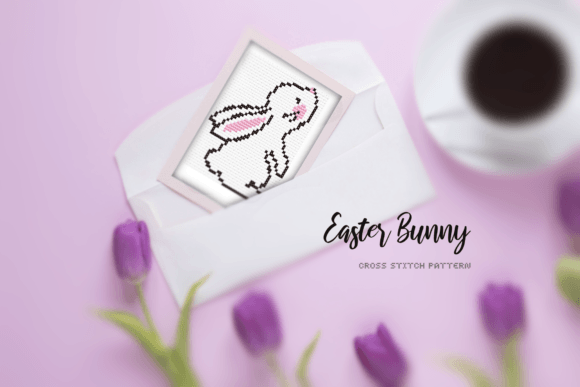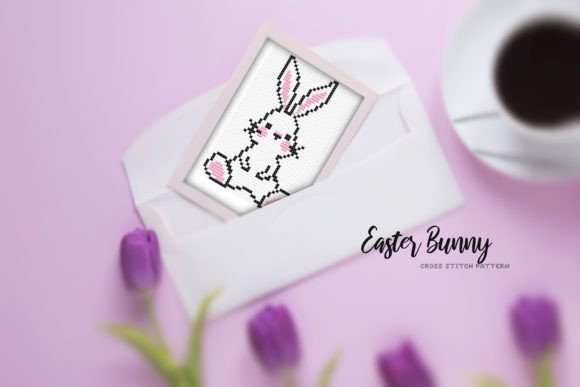
Bee. Cross Stitch Pattern: A Sweet Easter Essential
As an embroidery designer constantly curating collections for the upcoming seasonal rush, I am always on the lookout for designs that balance simplicity with high emotional appeal. When I first opened the Bee. Cross Stitch Pattern, my immediate reaction was one of delight at its unpretentious charm. This is not a design trying to be overly complex; rather, it leans into a playful, nostalgic aesthetic that screams "spring." The emotional tone is undeniably cozy and inviting, perfect for the gentle transition from winter to the vibrant energy of Easter. For those of us creating seasonal embroidery lines, finding a graphic that feels both modern and rustic is rare, but this little bee manages to hit that sweet spot effortlessly.
Perfecting Your Spring Product Lineup
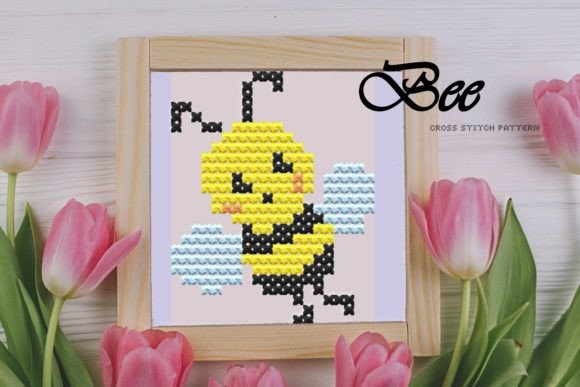
In the real world of holiday selling, speed and versatility are everything. When building a collection for Etsy listings or craft fair displays, you need assets that can be adapted quickly across various substrates. The Bee. Cross Stitch Pattern shines here because of its compact nature. With a design size of just 20 x 25 stitches, it is incredibly versatile for small product applications. Imagine stitching this onto a corner of a linen kitchen towel embroidery project; the scale is perfect for adding a subtle touch of whimsy without overwhelming the fabric texture.
For apparel decorators, this design is a dream for sweatshirt embroidery. Because it requires only four colors of thread, the production time is minimal, allowing you to crank out limited-edition drops for family matching items or baby showers. The simplicity also makes it an excellent candidate for an embroidered patch. You could stitch a batch of these bees on felt or twill, trim them, and sell them as iron-on accessories for denim jackets or tote bags. This transforms a simple digital embroidery file into a tangible, shippable product with high perceived value.
Maximizing Giftability and Buyer Emotion
The true power of this design lies in its ability to evoke specific buyer emotions. During the Easter shopping period, customers are looking for symbols of renewal, nature, and sweetness. A bee fits this narrative perfectly. When used in handmade gift bundles, such as a set of burp cloths for a new baby or a personalized apron for a gardening enthusiast, the design adds a layer of thoughtfulness that mass-produced items lack. It signals to the customer that care went into the creation process.
From a branding perspective, incorporating this pattern into your social media previews can significantly boost engagement. The clean lines and limited color palette make it photogenic, translating well into printable mockup graphics for your online shop. Whether you are showcasing a finished pillow cover or a custom tote bag design, the visual recognition of this cute bee can help establish brand consistency across your spring catalog. It tells a story of handmade quality and seasonal joy, which is exactly what drives conversions during peak holiday times.
Technical Considerations for Professional Results
While the Bee. Cross Stitch Pattern is suitable for beginners and children, professional sellers must still approach it with a critical eye regarding execution. Because the stitch count is low, every single stitch counts towards the final image clarity. One crucial area to watch is the choice of fabric. On thick towels or heavy canvas, the small details might get lost if the needle penetrates too deeply or if the fabric weave is too coarse. I recommend testing your thread colors on both light and dark fabrics before committing to a full production run. While the original description suggests DMC threads, verifying how these specific shades interact with your chosen material is vital for maintaining the design's integrity.
Another technical factor is the hoop size. Although the design is small, ensuring it is centered correctly within the hoop is essential to avoid distortion, especially when working on stretchy garments like sweatshirts. Using the proper stabilizer is non-negotiable here. Since this is a cross-stitch style graphic, the fabric needs to remain taut to prevent the squares from looking like diamonds. For items that will undergo repeated washing, such as kitchen linens or children's clothing, a cut-away stabilizer might offer better long-term durability than a tear-away option.
Caution is also advised when considering this design for curved caps or items with significant texture. The 20 x 25 stitch dimension is tiny, and on a curved surface, the perspective can skew the image, making the bee look misshapen. Furthermore, if you plan to use metallic thread to add a bit of sparkle to the wings or body, be aware that this can increase friction and potentially break the thread given the density of the work. Always review small details after stitching a test sample to ensure the edges are crisp and the colors blend as intended.
Strategic Implementation for Small Business Owners
For the Etsy seller or small shop owner, the commercial potential of this graphic extends beyond just the physical stitched item. Because it is described as suitable for beginners, it also serves as an excellent educational tool. You could bundle the embroidery file with a beginner's guide to cross-stitch, targeting the DIY market alongside the finished goods market. However, it is imperative to confirm commercial licensing terms before selling finished seasonal products derived from this pattern. Never assume a license covers resale; always verify the specific rights granted by the creator.
When planning your inventory, consider how this design fits into a larger color palette. The four-color limitation is a strength, allowing you to easily match it with existing spring themes. You can create cohesive collections where the bee appears on napkins, coasters, and wall hangings, all sharing the same thread scheme. This creates a unified look that enhances customer trust and encourages larger basket sizes. In the competitive landscape of holiday embroidery, having a reliable, quick-to-stitch, and emotionally resonant design like the Bee. Cross Stitch Pattern can be the difference between a stagnant shop and a bustling seasonal success.
Ultimately, this design represents the essence of effective seasonal product creation: it is simple enough to produce efficiently yet charming enough to captivate the heart of the buyer. By paying attention to fabric choices, stabilizer types, and presentation, you can elevate this humble bee into a star performer in your spring lineup.