Easter Bunny Cross Stitch Pattern 3 Review
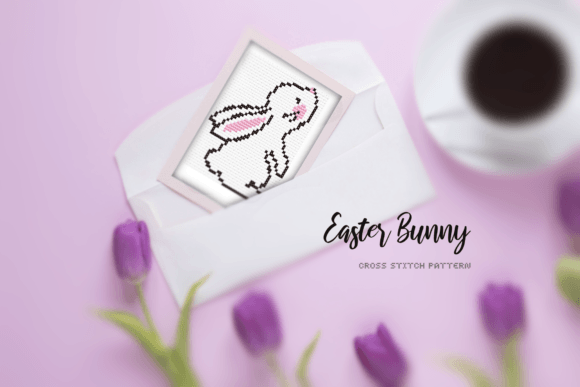
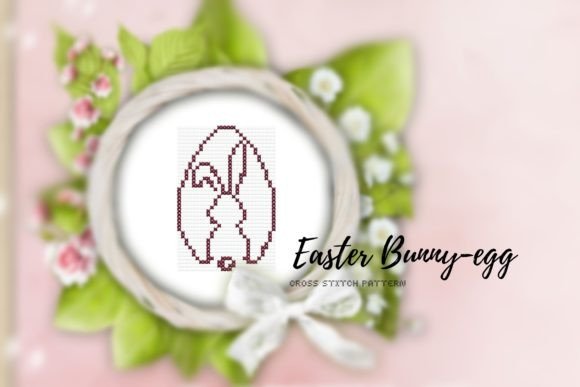
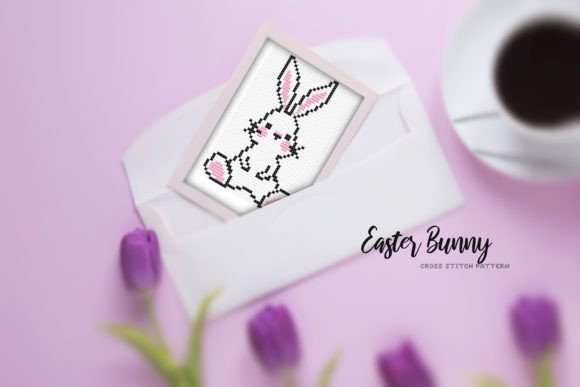
As an experienced embroidery designer preparing for the upcoming spring craft fair circuit, I am constantly evaluating which designs will translate best from a digital file to a tangible handmade product. This weekend, my focus is on maximizing booth appeal with items that catch the eye immediately. Today, I am reviewing Easter Bunny. Cross Stitch Pattern 3 to determine its viability for my table display. When scanning through new Cross Stitch Patterns and Graphics, I look for specific traits: simplicity, charm, and production efficiency. This particular design promises a small Easter project with a compact footprint of 35 x 53 stitches and a minimal palette of only three DMC thread colors.
First Impressions and Aesthetic Appeal
The first thing that strikes me about Easter Bunny. Cross Stitch Pattern 3 is its potential for a "farmhouse chic" or "minimalist rustic" aesthetic. In the current market, customers are moving away from overly complex, dense designs in favor of something that feels handmade, soft, and approachable. The limited color count is a significant advantage here. It suggests a clean look that won't clash with various fabric backgrounds. For a craft fair product, visual clarity is king. A design with only three colors reads clearly from a distance, which is crucial when a customer is walking past your booth at speed. It feels festive without being loud, making it an excellent candidate for those seeking subtle seasonal decor rather than overt holiday statements.
Product Applications for the Craft Fair Booth
When setting up my display, I need to visualize where this design fits best. Given its dimensions (35 x 53 stitches), it is relatively small. This makes it incredibly versatile for specific applications:
- Tote Bag Design: Placed on the corner of a canvas tote or centered on a small market bag, this bunny acts as a perfect accent. It doesn't overwhelm the bag, leaving room for the natural texture of the fabric to shine.
- Tea Towel Embroidery: This is likely the strongest seller. A linen or cotton tea towel with a small, stitched bunny near the hem screams "spring cleaning" and "fresh start." The low stitch count means it won't create a bulky ridge that interferes with the towel's function.
- Apron Embroidery: Positioned on the bib of a child's apron or the pocket of an adult one, this design adds a touch of whimsy. It transforms a utility item into a giftable keepsake.
- Embroidered Patch: If stitched on twill and cut out, this could serve as a cute iron-on patch, appealing to the DIY crowd who want to customize their own denim jackets or backpacks.
- Fabric Pouches: Small zipper pouches for coins or jewelry are perfect canvases for a 35 x 53 stitch design. It provides just enough detail to be interesting without crowding the small surface area.
While I considered using this on caps, the curved surface can sometimes distort small cross-stitch designs if the fabric isn't stable enough. However, on a flat pillow cover or a structured market bag, the geometry of the cross-stitch will remain crisp and true.
Production Efficiency and Batch Manufacturing
For an Etsy seller or boutique maker, time is money. The description notes that only three colors of DMC thread are needed. This is a massive benefit for batch production. Fewer color changes mean less machine downtime (if digitizing for machine execution) or less manual threading time (for hand-stitched kits). It allows me to produce a higher volume of small shop products in a single sitting. Furthermore, the small size implies a shorter run time. I can potentially stitch multiple units while managing other aspects of my business, such as packaging or customer service. This efficiency directly impacts profit margins, allowing for competitive pricing while maintaining quality.
Visual Impact and Photography
In the world of online sales, the printable mockup and actual product photography are vital. A design with high contrast and clear shapes, like this bunny, photographs exceptionally well. It retains its integrity even in thumbnail images on mobile devices. The simplicity of the three-color palette ensures that the design does not get lost in the noise of a busy background. For design assets used in listings, this pattern offers a clean look that elevates the perceived value of the finished product. It looks premium because it relies on negative space and clever stitching rather than excessive density.
Practical Considerations and Careful Use
Despite its advantages, there are technical factors to consider before committing to a large production run. While the stitch count is low, one must be mindful of stitch density. If the digital file clusters too many stitches in a small area, it could cause puckering, especially on lighter fabrics like linen tea towels. It is essential to test the design on scrap fabric first. Additionally, cross-stitch patterns rely on the grid of the fabric. If adapting this for commercial embroidery on non-evenweave fabrics, the "pixelated" look must be preserved intentionally through the digitizing process.
Caution is also advised regarding fabric texture. Highly textured towels might obscure the fine details of a 35-stitch wide design. Similarly, placing this on dark fabric requires careful selection of thread colors to ensure sufficient contrast; otherwise, the bunny may disappear into the background. Since the description does not specify an exact hoop size requirement beyond the stitch dimensions, I recommend confirming that your smallest hoop can accommodate the 35 x 53 area with enough margin for the frame.
Designer Notes for Success
To ensure the best results with Easter Bunny. Cross Stitch Pattern 3, I recommend the following steps:
- Test on Scrap: Always stitch a sample on the exact fabric you intend to sell to check for pull or distortion.
- Check Thread Contrast: Verify that the three suggested DMC colors pop against your chosen fabric hue.
- Review Spacing: Ensure there is adequate breathing room around the design so it doesn't feel cramped on smaller items like patches.
- Stabilizer Selection: Use a cut-away stabilizer for stretchy fabrics like tote bags to prevent long-term warping, but a tear-away may suffice for stable linens.
- Create a Real Mockup: Before listing, create at least one physical sample to photograph. Digital renderings often fail to capture the tactile charm of cross-stitch.
- Verify Licensing: Confirm commercial licensing terms before selling finished goods. The description mentions it is a pattern, but explicit permission for commercial use of the digital embroidery file or finished items should be verified with the creator.
In conclusion, Easter Bunny. Cross Stitch Pattern 3 appears to be a high-potential asset for spring collections. Its blend of minimalism, ease of production, and versatile application makes it a strong contender for craft fair tables and online boutiques alike. By paying attention to fabric choice and stabilization, this small design can yield big returns in customer engagement and sales.