Africa Continent: A Designer's Review for Personalized Gifts
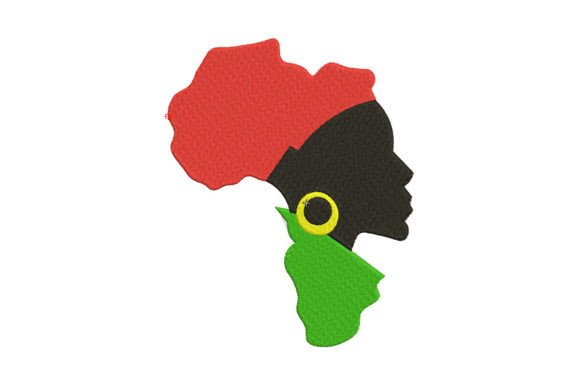
As an embroidery designer who spends more time with a hoop in hand than away from it, I am always on the lookout for designs that carry weight, meaning, and visual impact. Recently, I had the opportunity to test the Africa Continent machine embroidery design for a potential lineup in my personalized gift shop. This isn't just about stitching a shape; it is about capturing a spirit. The Africa Continent Embroidery Design is a digital design file created for machine embroidery that represents the continent of Africa. The design typically features the distinctive colors, symbols, and patterns that make this region so vibrant. After running several test stitches on various fabrics, I am ready to share how this piece performs for real-world applications, from baby blankets to wedding keepsakes.
First Impressions: Mood, Charm, and Detail
When I first loaded the digital embroidery file into my software to preview the stitch path, the immediate impression was one of bold elegance. There is a timeless quality to the silhouette of the continent itself, but the magic lies in how the design fills that space. Depending on the specific version of the file you acquire, these designs often incorporate internal detailing that suggests texture without becoming overly dense. It feels modern yet deeply rooted in tradition.
The emotional appeal of this design is undeniable. For many customers, seeing the outline of Africa stitched onto a handmade product evokes a sense of heritage, pride, and connection. It is not merely decorative; it is symbolic. In my testing, the design struck a perfect balance between being playful enough for a nursery item and sophisticated enough for a home decor piece. The charm comes from its simplicity; it allows the thread colors to do the heavy lifting, making it versatile for both bright, celebratory projects and subdued, classic looks.
Versatility in Real-World Applications
The true test of any embroidery file is its adaptability across different products. I envisioned several scenarios where the Africa Continent design would shine as a finished personalized gift.
- Baby Embroidery: Imagine a soft muslin swaddle or a organic cotton onesie. Stitched in soft pastels or warm earth tones, this design makes for a beautiful welcome gift for new parents with African heritage or those who simply appreciate global cultures. It adds a unique touch to baby embroidery collections that stands out from generic animals or letters.
- Wedding Gifts and Keepsakes: For couples celebrating their union, especially those with cross-cultural backgrounds, this design works beautifully on ring bearer pillows or guest book covers. It serves as a subtle nod to family roots, adding depth to a wedding gift.
- Home Decor: I tested the design on a linen pillow cover and a heavy canvas tote bag. The result was striking. On the pillow, it acted as a focal point for a living room accent. On the tote, it transformed a simple bag into a statement piece suitable for farmers markets or daily use.
- Kitchen and Utility: An embroidered towel or apron featuring this motif brings warmth to the kitchen. It appeals to customers looking for custom embroidery that reflects their identity in everyday items.
For Etsy sellers and small shop owners, this design offers a fantastic opportunity to create niche products. Whether you are selling blanket embroidery for nurseries or custom apparel, the Africa Continent theme attracts buyers looking for meaningful, culturally significant items.
Technical Considerations and Fabric Challenges
While the design is stunning, every embroidery designer knows that execution is everything. There are specific areas where you must exercise caution to ensure the finished product meets high-quality standards.
Fabric Texture and Density: When working with thick towels or textured fabrics like waffle weave, the fine details within the continent's interior might get lost if the stitch density is too high or if the fabric pile is too deep. I recommend running a test stitch on a scrap piece of your intended fabric first. If the design relies on small lettering or intricate internal symbols, ensure they remain legible on the chosen material.
Stretchy Materials: Baby clothes and knit fabrics require extra attention. The pull of the thread can distort the shape of the continent if not properly stabilized. Always use a high-quality cut-away stabilizer for stretchy garments to maintain the integrity of the design over time and through multiple washes.
Dark Fabrics and Contrast: One of the most critical aspects of this design is color choice. On dark fabric, light thread colors will pop, but you must ensure there is enough contrast between the different elements of the design. If the file uses multiple shades to create depth, verify that these shades distinguish themselves clearly against the background fabric. A printable mockup can help visualize this before you commit to stitching.
Curved Surfaces: If you are applying this to a curved surface, such as a cap or a rounded pillow, be mindful of the hoop size limitations and how the fabric feeds. Distortion at the edges can alter the recognizable silhouette of the continent.
Enhancing Perceived Value and Customer Trust
In the world of commercial embroidery and handmade sales, perceived value is everything. The Africa Continent design inherently carries a story. When a customer sees this on a product, they perceive it as thoughtful and intentional. This emotional connection drives buyer engagement.
Using this design can significantly boost the perceived quality of your small shop product line. It signals that you offer more than just generic items; you offer customization with cultural resonance. For product photography, this design photographs exceptionally well because of its strong lines and symbolic nature. Clear, well-lit images of the stitched continent on high-quality fabric can stop a scrolling customer in their tracks on platforms like Etsy or Instagram.
Furthermore, offering this as a personalized gift option—perhaps adding a name or date alongside the continent shape—increases the item's value as a keepsake. Customers trust sellers who provide unique, meaningful options, and this design delivers exactly that.
Practical Notes for the Professional Maker
Before you list this as a custom embroidery option in your shop, here are my final practical recommendations based on my testing phase:
- Test on Scrap Fabric: Never skip this step. Run the design on the exact fabric weight and type you plan to sell.
- Check Thread Color Contrast: Ensure the colors you select honor the design's intent and remain visible on the base material.
- Confirm Hoop Size: Verify that the design fits within your available hoop sizes without requiring excessive re-hooping, which can lead to alignment issues.
- Review Stitch Density: If the design feels too stiff on lightweight fabric, you may need to adjust density settings in your editing software, provided the license allows modification.
- Use Proper Stabilizer: Match your stabilizer to the fabric. Water-soluble might work for towels, but cut-away is essential for knits and frequent-wash items.
- Compare Light and Dark Mockups: Create samples on both white and black fabric to see how the design translates across the spectrum.
- Inspect Small Details: After stitching, examine the smallest symbols or lines closely. Trim any jump threads carefully to maintain a clean look.
- Confirm Commercial Licensing: This is crucial. Since the Africa Continent Embroidery Design is a digital product, you must check the specific license terms provided by the creator. Ensure you have the right to sell finished products made with this file before listing them in your store.
In conclusion, the Africa Continent embroidery design is a powerful tool for any maker looking to expand their catalog with meaningful, visually striking items. Whether you are creating a wedding gift, a nursery essential, or a stylish tote, this design offers the versatility and emotional depth that modern consumers crave. With careful attention to fabric choice and technical execution, it can become a bestseller in your handmade product lineup.