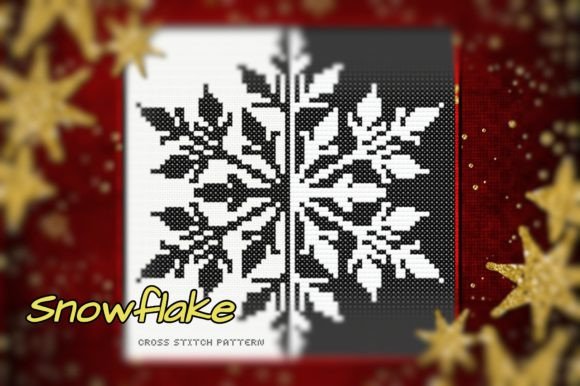
Snowflake Cross Stitch: A Minimalist Craft Fair Winner
As an experienced embroidery designer preparing for the upcoming weekend craft fair circuit, my eyes are constantly scanning for designs that balance aesthetic appeal with production efficiency. When I pulled up the Snowflake. Cross Stitch Pattern, my immediate reaction was one of practical excitement. In the world of handmade markets, where every second counts and booth space is premium real estate, a design that offers high visual impact with low production friction is gold. This specific pattern, described as suitable for beginners with a compact 75 x 75 stitch count, immediately struck me as a versatile asset for any small shop product line.
First Impressions: Minimalist Festive Charm
The first thing you notice about the Snowflake. Cross Stitch Pattern is its inherent simplicity. In a market often saturated with overly complex, dense, or chaotic holiday motifs, this design breathes. It feels modern, rustic, and undeniably festive without screaming for attention. The description notes that you only need one color of thread plus a background color of your choice. This monochromatic approach is a massive trend in current home decor and fashion. It screams "farmhouse chic" and fits perfectly into the curated aesthetic that today's boutique makers strive for. It is not just a decoration; it is a statement of understated elegance that appeals to buyers looking for something sophisticated yet cozy.
Product Versatility for the Craft Fair Booth
When setting up a table display, variety is key, but cohesion is king. I evaluated how this Snowflake. Cross Stitch Pattern would perform across a range of potential craft fair products. Because the design size is a manageable 75 x 75 stitches, it acts as a perfect accent rather than an overwhelming focal point.
- Tote Bags and Market Bags: Placed on the corner of a canvas tote, this snowflake becomes a subtle brand marker. It transforms a plain bag into a tote bag design that feels custom-made.
- Kitchen Linens: For tea towel embroidery or apron hems, the single-color requirement allows for striking contrast. Imagine a crisp white snowflake on a deep navy linen towel, or a classic red on natural beige. This is where the design truly shines as a handmade product.
- Patches and Pouches: The square nature of the stitch count makes it ideal for creating embroidered patches that can be ironed onto denim jackets or sewn onto small fabric pouches.
- Caps and Hats: While possible, the curved surface of a cap requires careful placement. However, the small footprint of 75 stitches means it won't distort easily, making it a viable option for winter beanies or structured caps.
For Etsy sellers and digital creators, this graphic translates beautifully into printable mockups. The clean lines photograph exceptionally well, ensuring that online listings look professional and inviting. Whether you are selling the digital embroidery file itself or the finished product, the visual clarity of this snowflake ensures it stands out in a crowded feed.
Production Efficiency and Batch Making
From a business owner's perspective, time is money. The fact that this Snowflake. Cross Stitch Pattern requires only one thread color is a significant advantage for batch production. There is no need to stop the machine (or your hand) to change spools frequently. This reduces thread waste and minimizes the risk of tension errors between color changes. For those running a commercial embroidery setup during the busy holiday rush, this efficiency allows you to churn out dozens of units—whether they are pillow covers or gift tags—without burning out.
The design's suitability for beginners also means that if you hire help or host a workshop at your booth, this is a pattern anyone can execute successfully. It lowers the barrier to entry for production while maintaining a high-quality look. As a Graphics asset within the broader category of Cross Stitch Patterns, it offers a high return on investment due to its repeatability.
Practical Considerations and Careful Use
Despite its simplicity, there are technical aspects to consider to ensure the final result looks premium. While the design is small, stitch density matters. If you are stitching onto thick fabrics like heavy towels or textured wool, ensure the needle penetrates cleanly without causing puckering. Conversely, on very thin fabrics, the density might show through; using the right stabilizer is non-negotiable here.
Be mindful of fabric texture. On highly textured materials like looped terry cloth, the crisp lines of a cross-stitch pattern can sometimes get lost. It is always best to test the design on scrap fabric first. Additionally, while the 75 x 75 count is generally safe, shrinking the design further for tiny items like jewelry pouches might cause the individual stitches to merge, losing the definition of the snowflake arms. Always confirm the minimum viable size before committing to a run.
Regarding thread colors, remember that contrast is your best friend. A white snowflake on a white background will vanish. Choose thread colors that pop against your chosen base material to maximize customer attention.
Enhancing Brand Value and Customer Engagement
Incorporating the Snowflake. Cross Stitch Pattern into your lineup does more than just add a product; it elevates your brand perception. It signals to customers that you value clean design and thoughtful details. When a customer sees a perfectly stitched, minimalist snowflake on a apron embroidery sample, they immediately associate that quality with your entire brand. It creates a sense of handmade authenticity that mass-produced goods cannot replicate.
For booth displays, use this design to create a "theme." Group all items featuring the snowflake together—towels, ornaments, and bags. This visual repetition draws the eye and encourages multiple purchases. It tells a story of a cohesive winter collection rather than a random assortment of goods.
Designer Notes for Success
Before you list this as a craft fair product or upload it as a design asset, follow these professional steps:
- Test on Scrap: Always run a test stitch-out on the exact fabric you intend to sell. Check how the threads sit on the specific weave.
- Check Contrast: Lay your thread spools against your fabric options. Ensure the snowflake is visible from three feet away.
- Review Spacing: If placing multiple snowflakes on a larger item like a table runner, ensure the spacing feels balanced and not cramped.
- Confirm Hoop Size: Although the design is small, ensure your hoop size accommodates the frame without obstructing the stitching area, especially for smaller machines.
- Inspect Density: Look at the back of the test stitch. Is there excessive buildup? Adjust your stabilizer if necessary.
- Create a Mockup: Take a high-quality photo of a real sample. Digital renderings are good, but real photos sell better on Etsy.
- Verify Licensing: Since this is a purchased pattern, double-check the commercial licensing terms. Ensure you are allowed to sell finished goods made from this machine embroidery design or if there are restrictions on the number of units.
The Snowflake. Cross Stitch Pattern is a testament to the idea that less is often more. By leveraging its simplicity, ease of production, and timeless aesthetic, you can create a range of products that resonate with holiday shoppers. Whether you are an Etsy seller looking to expand your digital catalog or a boutique maker filling a booth with tangible treasures, this design offers a reliable path to sales. Just remember to respect the materials, mind the details, and let the clean beauty of the snowflake do the selling for you.