Review: Elephant 3 Appliqué Sewing Pattern for Boutiques
As an embroidery designer who has spent years refining the aesthetic of small boutique brands, I approach every new machine embroidery design with a critical eye. It is not just about whether the file runs; it is about whether the finished product elevates the brand identity. Recently, I evaluated the Elephant 3 Appliqué Sewing Pattern for an upcoming limited drop of premium sweatshirts. This review breaks down how this specific set of graphics performs in a real-world commercial setting, moving beyond basic descriptions to actual application on apparel.
First Impressions and Design Aesthetic
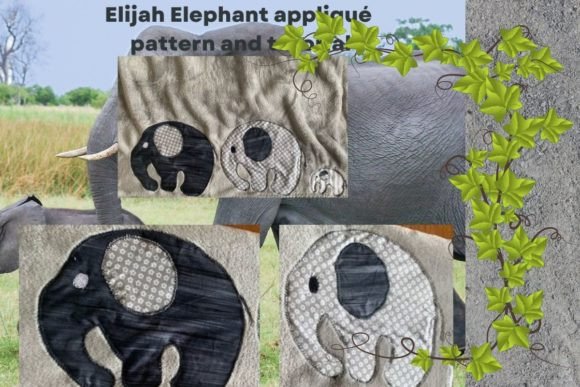
Upon opening the Elephant applique sewing pattern, the immediate impression is one of playful charm mixed with rustic simplicity. The collection includes three distinct elephant designs, which offers excellent versatility for a cohesive yet varied product line. The "raw edge" style mentioned in the description suggests a textured, handmade look that is currently trending in the lifestyle market. Unlike satin-stitch heavy designs that can feel stiff and overly manufactured, raw edge appliqué allows the fabric texture of the base garment to breathe while adding a layer of tactile interest.
The mood of these elephants feels undeniably cute and feminine, yet bold enough to stand out on larger garments. For a boutique brand targeting customers who appreciate handmade product aesthetics, this design hits the sweet spot between professional polish and artisanal warmth. The layout of the three templates provides options for different placements: one might serve as a central chest piece, while another could work beautifully as a sleeve accent or a pocket detail.
Application on Sweatshirts and Hoodies
The true test of any embroidery file is how it translates onto heavy knit fabrics. For this project, I envisioned the Elephant 3 Appliqué Sewing Pattern on a range of neutral sweatshards, from oatmeal heather to deep charcoal. On neutral tones, the contrast of the appliqué fabric becomes the star. If you choose a pastel flannel or felt for the elephant shape against a dark hoodie, the result is a soft, cozy visual that screams seasonal comfort.
For oversized hoodies, the scale of the design is crucial. These graphics appear robust enough to handle a larger hoop size without losing their definition. When placed on the back of an oversized garment, the elephant motif creates a statement piece that feels intentional and high-value. Conversely, scaling it down for a left-chest placement on a zip-up hoodie offers a subtle branding opportunity that feels exclusive rather than loud. The raw edge technique works particularly well here, as it mimics the casual drape of the sweatshirt fabric, ensuring the design moves with the garment rather than sitting rigidly on top of it.
Fabric Pairings and Color Theory
Success with this pattern relies heavily on your choice of thread colors and appliqué materials. Since the design utilizes a raw edge finish, the thread acts as both a structural hold and a decorative frame. I recommend using a thread color that either blends seamlessly with the appliqué fabric for a unified look or contrasts sharply for a pop-art effect. For a boutique brand aiming for a premium feel, tonal stitching (e.g., slate grey thread on a charcoal elephant) often looks more sophisticated than high-contrast neon threads.
The description notes that this is suitable for beginners, but do not let that fool you regarding its commercial potential. With the right material choices—such as wool felt or high-quality cotton lawn—this digital embroidery file can produce results that rival high-end retail goods. The interplay between the smooth knit of a sweatshirt and the slightly fuzzy edge of a raw appliqué creates a depth that flat printing simply cannot achieve.
Technical Considerations for Production
Before running a production batch, there are several practical designer concerns to address. First, stitch density in appliqué designs is generally lower than fill stitches, which is beneficial for thick sweatshirt fabrics. High-density stitching can cause puckering or stiffness on heavy knits, but the open nature of this raw edge style mitigates that risk. However, proper stabilization is non-negotiable. A cut-away stabilizer is essential for sweatshirt embroidery to ensure the design remains stable after repeated washing and wearing.
Washing durability is a major factor for commercial embroidery. Raw edges can fray over time if not secured properly. It is vital to ensure the tack-down stitch and the final border stitch are dense enough to hold the appliqué fabric firmly. While the product description mentions it comes with templates, it does not specify exact stitch counts or recommended hoop sizes. As a professional, I strongly advise checking these technical details within the downloaded files before committing to a large run. Testing on a scrap piece of your specific sweatshirt fabric is mandatory to verify that the needle penetration does not damage the knit structure.
Enhancing Brand Value and Customer Engagement
In the competitive landscape of Etsy sellers and small shop owners, visual recognition is key. Using a distinctive motif like the Elephant 3 Appliqué Sewing Pattern helps build a recognizable brand identity. When customers see that specific elephant silhouette, they should immediately associate it with your shop. This consistency builds buyer trust. Furthermore, the tactile nature of appliqué increases the perceived value of the finished product. Customers are often willing to pay a higher price point for items that feature complex textile techniques rather than simple prints.
For marketing purposes, this design shines in printable mockup previews and lifestyle photography. The texture of the raw edge catches light beautifully in photos, making your Etsy listings stand out in search results. Whether you are creating content for social media or designing packaging inserts, the "wild animal" theme connects with trends in nature-inspired decor and fashion. It appeals to a demographic that values uniqueness and custom apparel with a story.
Final Verdict for Creative Entrepreneurs
The Elephant 3 Appliqué Sewing Pattern is a versatile asset for any creative entrepreneur looking to expand their Hand Embroidery Patterns library with something commercially viable. It bridges the gap between cute, playful graphics and serious, textured design work. While it is categorized under Graphics and digital files, its end result is deeply physical and sensory.
If you are preparing a seasonal drop of cozy apparel, this design offers the flexibility to experiment with different fabrics, placements, and color stories. Just remember to validate the technical specifications regarding hoop requirements and stabilizer recommendations before full-scale production. With careful execution, this pattern can become a signature element of your brand, driving customer engagement and establishing your reputation for quality handmade goods.