Review: Easy Black and White Cross Stitch Flower Design
As an embroidery designer who spends countless hours digitizing patterns and sourcing design assets for my small business, I am always on the lookout for versatile files that can elevate a handmade product without requiring excessive setup time. Recently, I evaluated the Easy Black and White Cross Stitch Flower available on Creative Fabrica to see if it holds up under the scrutiny of real-world commercial application. This isn't just a casual browse; I was looking at this file with a specific customer order in mind: a line of minimalist kitchen towels and tote bags for a boutique client who loves monochrome aesthetics.
First Impressions and Visual Mood
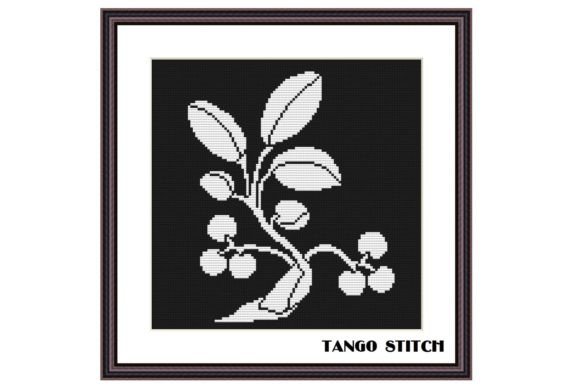
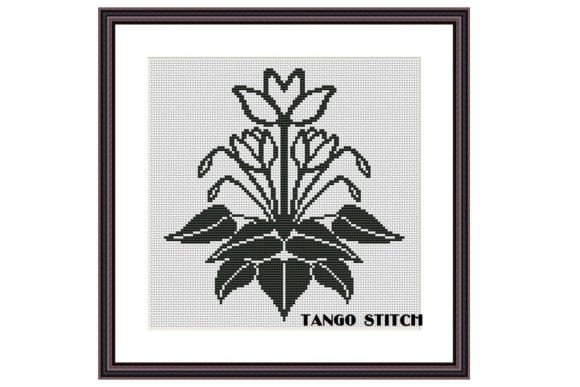
The moment I previewed the Easy Black and White Cross Stitch Flower, the appeal was immediate. In a market often saturated with overly complex, multi-colored Cross Stitch Patterns, this design stands out for its restraint. The visual mood is clean, modern, and slightly rustic, capturing the charm of traditional hand-stitching while maintaining the precision of a digital embroidery file. Because it relies on a high-contrast black-and-white palette, it possesses a graphic quality that translates exceptionally well to photography, a crucial factor for anyone selling printable mockups or listing items on Etsy.
The design personality feels approachable yet sophisticated. It avoids the clutter that sometimes plagues floral motifs, focusing instead on the structural beauty of the flower through simple geometric forms. For designers who specialize in "less is more" branding, this Graphics asset fits perfectly. It suggests a handmade touch without looking amateurish, which is a delicate balance to strike when creating commercial embroidery products.
Performance in Real Embroidery Projects
When considering how this pattern performs across various substrates, the versatility is impressive. I mentally mapped this design onto several potential projects:
- Tote Bag Design: The bold contrast works beautifully on natural canvas or heavy cotton twill. The simplicity ensures the design remains legible even from a distance.
- Sweatshirt Embroidery: On fleece or French terry, the defined edges of the cross-stitch style prevent the design from getting lost in the texture of the fabric.
- Kitchen Towels and Aprons: For waffle weave or linen blends, this pattern adds a custom touch that elevates a basic household item into a giftable commodity.
- Nursery Decor: The gender-neutral black and white scheme makes it ideal for baby blankets or wall hangings where soft pastels might not fit the theme.
However, working with any machine embroidery design requires understanding its limitations. Since this pattern mimics cross-stitch, it inherently relies on a grid-like structure. While the product description notes it uses "only full stitches," which simplifies the stitching process, one must be mindful of stitch density. On stretchy fabrics like jersey knits used for custom apparel, a dense block of stitches can cause puckering if not managed correctly. Similarly, on curved surfaces like a baseball cap, the rigid nature of cross-stitch patterns can sometimes distort if the hoop tension isn't perfect.
Practical Considerations for Production
Before running this design on a final finished product, there are several practical steps I recommend taking to ensure quality control. First, always test on scrap fabric that matches your final material. This allows you to check how the black thread contrasts against dark fabrics or how the white pops on colored backgrounds. While the design is black and white, your thread colors choice can change the entire vibe; swapping black for navy or charcoal can soften the look for different demographics.
Stabilizer selection is critical. Because cross-stitch styles involve many penetrations of the needle in a concentrated area, using the wrong stabilizer can lead to a stiff, cardboard-like feel on the back of the garment. For towels and tote bags, a cut-away stabilizer is usually best to maintain durability through frequent washing. For sweatshirt embroidery or lighter apparel, a tear-away might suffice, but only if the stitch count is low enough not to compromise the fabric integrity.
It is also vital to confirm the hoop size required. While this is described as an "easy" and likely smaller design, ensuring it fits within your available hoops without needing re-hooping saves significant production time. Additionally, inspect small details after the test run. Are the corners sharp? Do the diagonal lines of the cross-stitches align cleanly? These micro-details determine whether your embroidered patch or direct-to-garment look appears professional.
Impact on Brand Value and Customer Trust
Using a cohesive design element like the Easy Black and White Cross Stitch Flower can significantly enhance brand consistency. For Etsy sellers and boutique owners, offering a collection of items featuring this unified motif creates a recognizable visual identity. Customers associate this level of detail with care and craftsmanship, which builds buyer trust.
The "handmade" aesthetic of cross-stitch, even when executed by a machine, taps into the current consumer desire for authenticity. When a customer receives a personalized gift featuring this design, the perceived value increases because it looks like it was stitched with intention rather than mass-produced by a generic algorithm. This emotional connection drives engagement and encourages repeat purchases.
Final Verdict and Licensing Notes
The Easy Black and White Cross Stitch Flower is a solid addition to any designer's library, particularly for those focusing on modern farmhouse, minimalist, or monochrome trends. Its strength lies in its adaptability and the ease with which it can be integrated into diverse product lines, from appliqué design accents to standalone focal points.
However, as with all Creative Fabrica embroidery downloads, due diligence is required before commercial use. The product description mentions it is suitable for beginners and experts and uses full stitches, but it does not explicitly list specific file formats (like PES, DST, EXP), exact stitch counts, or detailed license terms regarding the number of physical items you can sell. Therefore, I strongly advise visiting the product page to confirm file details and licensing before committing to a large production run. Ensure the file types match your machine and that the license covers your intended volume of commercial embroidery sales.
In conclusion, if you are looking for a reliable, aesthetically pleasing digital embroidery file that bridges the gap between traditional craft and modern efficiency, this pattern is worth exploring. Just remember to respect the technical requirements of your specific machinery and fabrics to deliver the highest quality handmade product possible.