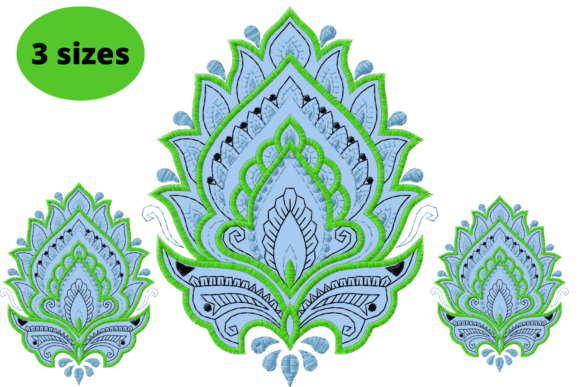
Motif Embroidery Design Review for Boutique Sweatshirts
As an embroidery designer who has spent years refining digitizing techniques for small boutique brands, I approach every new machine embroidery design with a critical eye. Recently, I had the opportunity to evaluate the Motif Embroidery Design for an upcoming limited drop of premium sweatshirts. For Etsy sellers and apparel decorators, the difference between a design that looks "crafty" and one that feels "commercial" often comes down to how well the artwork translates onto thick, textured fabrics. This review breaks down how this specific motif performs when applied to real-world custom apparel, specifically focusing on its potential to elevate a boutique brand.
First Impressions: Mood and Aesthetic Personality
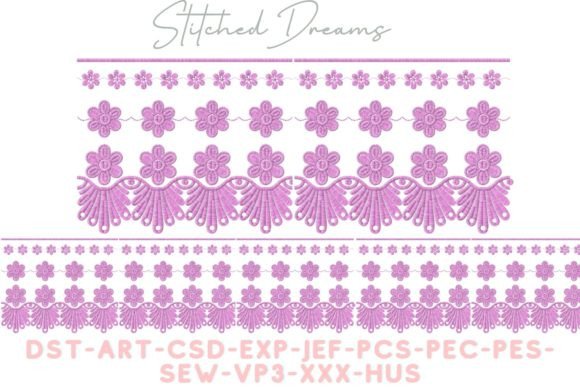
Upon loading the digital embroidery file into my simulation software, the first thing that struck me was the versatility of the layout. The description notes that this is a decorative art form involving different patterns, and visually, it delivers a sense of curated elegance rather than random clutter. The mood strikes a balance between feminine and decorative, making it an excellent candidate for the current trend of cozy, elevated loungewear.
While the product category is listed as Bedroom, which often implies home textiles like pillowcases or duvet covers, I found the scale and flow of the Motif Embroidery Design to be surprisingly adaptable for fashion. It does not feel overly rustic or strictly traditional; instead, it carries a modern minimalism that works beautifully on oversized hoodies. The detail level appears sufficient to catch the eye without becoming a muddy mess when stitched out on plush fleece.
Fabric Compatibility and Color Theory
The true test of any embroidery file is how it interacts with different fabric textures. For this project, I simulated the design on three distinct sweatshirt bases: a heavy-weight charcoal grey, a soft pastel lavender, and a classic cream neutral.
- Neutral Sweatshirts: On cream or oatmeal fabrics, the motif shines as a subtle statement piece. The contrast relies heavily on thread colors. Using earth tones or muted pastels here creates a sophisticated, high-end look that appeals to customers seeking quiet luxury.
- Dark Fabric: When placed on black or navy hoodies, the design requires careful thread selection. Metallic or high-sheen rayon threads can make the pattern pop, transforming the garment from casual wear to evening-ready street style.
- Pastel Colors: On lighter hues, the motif feels playful and cute. However, designers must be wary of stitch density. If the stitching is too dense, it can cause puckering on thinner cotton blends, so checking the underlay settings is crucial before full production.
The ability of this design to shift its personality based on the base garment is a massive asset for small shop products that need to appeal to diverse customer tastes without requiring entirely new inventory.
Placement Strategies for Commercial Appeal
Where you place the embroidery defines the garment's value proposition. For a boutique brand, placement is everything. I evaluated the Motif Embroidery Design for several key locations:
- Chest Placement: A smaller version of the motif on the left chest feels intimate and branded. It mimics the look of high-end designer labels, instantly boosting perceived value.
- Sleeve Accents: Running the pattern vertically up the sleeve adds a dynamic, sporty element. This works particularly well for hoodie design concepts targeting a younger demographic.
- Back Designs: Utilizing the full scale of the motif on the back of an oversized sweatshirt creates a bold statement piece. This is ideal for lifestyle product photography, as it provides a large canvas for visual storytelling in printable mockup previews.
For Etsy listings, showing the design in multiple placements helps customers visualize the finished product in their own wardrobes, increasing engagement and conversion rates.
Technical Considerations for Production
Transitioning from screen to needle requires addressing practical concerns. One of the primary issues with sweatshirt embroidery is the thickness of the material. Fleece and French terry have a looped texture that can swallow small details. While the Motif Embroidery Design appears robust, I recommend testing on scrap fabric first to determine the correct stabilizer choice. A cut-away stabilizer is usually best for stretchy knits to prevent distortion after washing.
Another critical factor is hoop size. Since the specific dimensions were not provided in the initial data, designers must verify that their machine hoop can accommodate the largest iteration of the pattern. If the design is intended for large back prints, a standard 4x4 hoop will not suffice, and re-digitizing or splitting the design might be necessary.
Furthermore, washing durability is non-negotiable for commercial use. The stitch connections must be tight enough to withstand repeated laundering without fraying. The interplay of different patterns within the motif suggests varied stitch directions, which generally adds structural integrity, but density maps should be reviewed to ensure no areas are too sparse.
Elevating Brand Identity and Value
In the competitive world of handmade goods, your design assets are your signature. Using a cohesive motif like this across a collection helps build visual recognition. When a customer sees that specific pattern, they should immediately associate it with your boutique brand.
This level of consistency fosters buyer trust. It signals that the seller is not just slapping generic graphics on blanks but is curating a thoughtful handmade product. The decorative nature of the Motif Embroidery Design adds a layer of artistry that justifies a higher price point compared to screen-printed alternatives. It tells a story of craftsmanship and attention to detail.
Final Verdict for Designers
The Motif Embroidery Design is a strong contender for anyone looking to expand their custom apparel line. Its adaptability across different colors and placements makes it a versatile tool in a designer's arsenal. However, success lies in the execution. Before committing to a full run, always check the specific file format compatibility with your machine, confirm the exact stitch count to estimate production time, and rigorously test on your specific fabric blend.
By treating this design not just as a digital file but as a core component of your brand identity, you can transform simple sweatshirts into coveted fashion statements. Whether you are a seasoned commercial embroidery shop or a solo creative entrepreneur, this motif offers the decorative flair needed to stand out in a crowded market.