Messy Bun: A Designer's Take on Modern Embroidery
There is a distinct shift happening in the world of machine embroidery design. We are moving away from rigid, perfectly symmetrical motifs toward styles that feel lived-in, authentic, and full of personality. As someone who spends hours digitizing and reviewing files for real-world application, I recently took a close look at the Messy Bun design. This isn't just a cute graphic; it is a statement piece that taps directly into the current Beauty trends while offering versatile utility for Embroidery projects ranging from boutique apparel to home decor.
First Impressions: Capturing the Relaxed Vibe
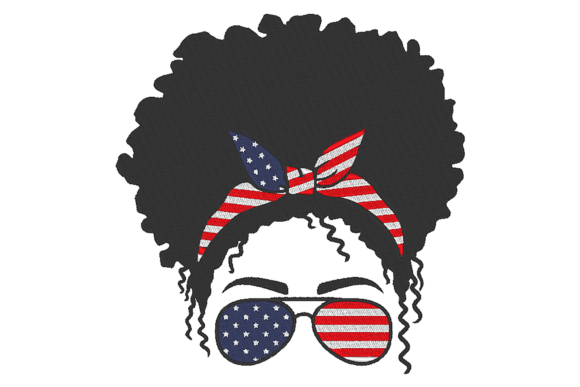
When you first load the digital embroidery file for Messy Bun into your preview software, the immediate takeaway is its fluidity. Unlike traditional monograms or stiff geometric logos, this design relies on organic lines that mimic the actual texture of hair tied up in a hurry. The mood it creates is effortless chic. It speaks to the busy mom, the college student, the yoga instructor, or anyone who embraces a "perfectly imperfect" lifestyle.
From a layout perspective, the design balances negative space with dense stitching areas effectively. The visual personality is playful yet polished enough for commercial use. For an Etsy seller or a small shop product creator, this kind of imagery resonates deeply with buyers looking for personalized gifts that feel custom-made rather than mass-produced. The shape suggests movement, which is crucial when translating a 2D image into thread.
Real-World Application: The Tote Bag Test
To truly evaluate any embroidery project, I like to visualize it on a specific substrate before the needle even hits the fabric. Let's imagine a scenario where you are preparing a run of custom canvas tote bag design items for a local craft fair or a boutique launch. The Messy Bun motif shines here. Canvas provides enough stability to handle the stitch variation without puckering, and the neutral background allows the thread colors to pop.
In this context, the design acts as more than just decoration; it becomes branding. If you are running a craft business focused on beauty products or self-care kits, stitching this onto a tote adds immediate value. Customers aren't just buying a bag; they are buying an identity. The same logic applies to sweatshirt embroidery. Placing this design on the left chest of a oversized fleece or centered on the back of a hoodie creates a high-end, streetwear aesthetic that is currently dominating social media trends.
For those exploring baby embroidery, a scaled-down version could work beautifully on a onesie or a nursery blanket, perhaps paired with a name in a complementary script font. However, one must be cautious with scale. What looks great on a tote might lose definition if shrunk too small for a tiny infant garment.
Technical Performance and Stitch Quality
Diving deeper into the technical aspects, the success of Messy Bun relies heavily on how the digitizer handled the transition between stitch types. A design like this typically utilizes a mix of running stitch for fine details like stray hairs and fill stitch or satin stitch for the bulk of the bun to create volume.
If you are an apparel decorator, you know that stitch density is the make-or-break factor. If the density is too high, the fabric will pucker, especially on stretchy materials like jersey knits used in t-shirts. If it is too low, the backing will show through, ruining the professional look. When reviewing this file, pay close attention to the underlay settings. A proper underlay is essential to anchor the design and prevent shifting during the wash cycle.
It is also vital to consider the hoop size required. While many modern machines have large fields, ensuring the design fits within your standard hoops without needing to re-hoop is a efficiency win for production. Always check the specific dimensions provided with the file. If the design includes intricate corners or very fine lines, test it on a scrap piece of your intended fabric first. This simple step saves time, thread, and frustration.
Navigating Fabric Challenges
Not every fabric is a friend to detailed embroidery. When working with Messy Bun, keep the following material constraints in mind:
- Textured Fabrics: On heavy waffle weaves or thick towels, fine details might get lost. Consider using a water-soluble topper to keep stitches crisp on the surface.
- Stretchy Fabric: For custom apparel made from spandex blends, a cut-away stabilizer is non-negotiable to prevent distortion over time.
- Dark Fabric: If stitching on black or navy, ensure the digitized colors have enough contrast. You may need to adjust the thread colors in your machine settings to match the vibrancy seen in the printable mockup.
- Curved Surfaces: Applying this to a cap requires careful hooping. The curvature can distort the roundness of the bun, so centering is critical.
Commercial Viability and Brand Consistency
For commercial embroidery ventures, consistency is key. Does Messy Bun hold up across different product lines? The answer is generally yes, provided you respect the limitations of the medium. Whether it is an embroidered patch meant for iron-on application or direct stitching on a pillow cover, the design maintains its recognizability.
This recognizability drives buyer engagement. In a crowded marketplace, customers trust brands that present a cohesive visual language. Using a trendy, well-executed design like this signals that your handmade product is current and thoughtful. It elevates the perceived value of the finished product, allowing you to command better pricing for your design assets or physical goods.
However, a word of caution regarding licensing: always verify the terms attached to the embroidery file. Some designers allow unlimited sales of finished physical items but restrict the resale of the digital file itself. Others may have limits on the number of units you can produce commercially. Clarifying this before you start a large production run protects your business integrity.
Final Verdict for Makers and Designers
The Messy Bun design is a strong contender for anyone looking to expand their catalog in the beauty and lifestyle sectors. It bridges the gap between fun, casual aesthetics and professional execution. Its strength lies in its relatability; it tells a story about the person wearing or using the item.
Before committing to a full production run, I recommend creating a few prototypes. Test it on both light and dark backgrounds to see how the shadows and highlights render in thread. Check the back of the hoop to ensure the bobbin thread isn't creating a messy underside that could irritate skin on wearable items. If you plan to sell these as holiday embroidery gifts or wedding favors, ensure the turnaround time accounts for any potential troubleshooting.
Ultimately, this design offers a fantastic opportunity for creative entrepreneurs to tap into the "self-care" market. With the right fabric choices, proper stabilization, and an eye for detail, Messy Bun can become a staple in your portfolio, driving sales and delighting customers who appreciate the art of modern Embroidery.