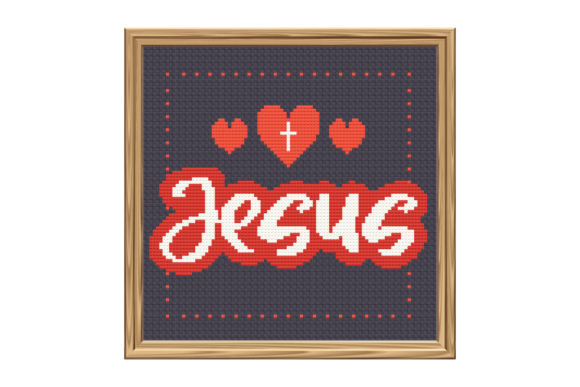
Jesus Cross Stitch Pattern for Boutique Sweatshirts
As an embroidery designer who spends most of my days digitizing logos and testing stitch-outs for small clothing brands, I approach every new machine embroidery design with a critical eye. It is not just about whether the image looks cute on a screen; it is about how that digital embroidery file translates onto actual fabric, specifically the heavy, textured materials we use for premium apparel. Recently, I evaluated the Jesus Cross Stitch Pattern with a specific project in mind: a limited-edition drop of oversized hoodies for a faith-based boutique brand. The goal was to determine if this design could carry the weight of a commercial product while maintaining the charm of a handmade product.
My first impression of the Jesus Cross Stitch Pattern was one of rustic elegance. In an industry often saturated with hyper-realistic 3D puff stitches or overly complex satin column work, there is something profoundly grounding about the aesthetic of cross-stitch. It evokes a sense of tradition and warmth that aligns perfectly with the current trend toward cozy, seasonal apparel. When reviewing the provided PDF instructions, the layout suggests a design that relies on clarity and symbolic strength rather than unnecessary clutter. For a boutique brand, this is crucial. A design that is too busy can get lost on a thick fleece blend, but a pattern with strong definition, like this one, tends to pop beautifully against various backgrounds.
Evaluating Fabric Compatibility and Aesthetic Mood
The true test of any embroidery file is its versatility across different garment colors and textures. I visualized the Jesus Cross Stitch Pattern on several key items from our upcoming collection. On neutral sweatshirts, such as oatmeal, cream, or light grey French terry, the design offers a subtle, sophisticated look. The "cross-stitch" style mimics the texture of the fabric itself, creating a tone-on-tone effect that feels incredibly high-end and minimal. It whispers rather than shouts, which appeals to customers looking for everyday wear with spiritual significance.
However, the design truly shines when placed on dark fabric. Imagine a deep charcoal or midnight blue hoodie. Here, the contrast becomes a focal point. If executed with high-quality thread colors—perhaps a warm gold, a soft white, or even a muted earth tone—the individual blocks of the cross-stitch style catch the light differently than solid satin fills. This adds depth to the finished product. For pastel colors, the pattern feels playful yet reverent, suitable for spring collections or youth lines. The mood shifts from rustic to fresh depending entirely on the thread palette chosen, giving the Etsy seller or shop owner immense creative freedom.
Regarding placement, this design is exceptionally adaptable. For a standard hoodie design, a left-chest placement keeps it intimate and personal, perfect for a logo-style application. However, because cross-stitch patterns often have a grid-like structure that scales well, I could also see this working as a larger back design on an oversized sweatshirt. The geometric nature of the stitches ensures that even when enlarged, the image retains its readability without becoming pixelated or losing its character. It strikes a balance between being bold enough to be noticed and decorative enough to feel like art.
Technical Considerations for Commercial Production
Moving from aesthetics to the technical realities of commercial embroidery, several factors require attention before running a production batch. The most significant concern with any pattern styled after cross-stitch is stitch density. Unlike a standard fill stitch that flows with the fabric grain, cross-stitch simulations involve many small, intersecting lines. If the density is too high on a heavy sweatshirt embroidery blank, it can cause the fabric to pucker or become stiff and uncomfortable against the skin. As a designer, I would recommend testing the design on a scrap piece of the exact same fleece or French terry intended for the final run.
Stabilizer choice is another non-negotiable element. For a small shop product to survive repeated washing and wearing, the backing must be robust. Given the likely texture of the target fabrics, a cut-away stabilizer is almost always superior to tear-away for this type of work. It provides permanent support to the stitches, preventing them from sinking into the nap of the fleece over time. Furthermore, the hoop size must be selected carefully to ensure the design sits flat without distortion, especially if placing it near a seam or on a sleeve accent where space is constrained.
Readability at small sizes is also a key metric. While the Jesus Cross Stitch Pattern appears detailed, one must verify that the smallest elements do not merge when stitched out at a reduced scale. If the design is intended for a cuff or a small pocket, the gap between the "crosses" needs to be wide enough to prevent thread buildup. This is where checking the specific details in the download is vital. Since the product description notes that you receive a PDF with instructions, it is imperative to review those guidelines for recommended sizing limits before committing to a large order of blanks.
Enhancing Brand Identity and Product Value
Beyond the mechanics of stitching, the choice of design directly impacts buyer trust and brand identity. In the world of custom apparel, customers are increasingly savvy; they can tell the difference between a generic clip-art transfer and a thoughtfully embroidered piece. Using a distinct pattern like the Jesus Cross Stitch Pattern signals that the brand values craftsmanship. It elevates a simple sweatshirt into a meaningful keepsake. This perceived value allows boutique owners to justify a higher price point, as the item feels exclusive and thoughtfully curated.
For marketing purposes, this design is a dream for lifestyle product photography. The texture of the stitches photographs exceptionally well, adding visual interest to printable mockup previews and social media content. Whether displayed on a flat lay with coffee and a Bible or modeled in a cozy, candid shot, the embroidery adds a tactile dimension that draws the eye. For an Etsy seller, having unique design assets that stand out in a crowded marketplace is essential for customer engagement. This pattern offers a niche appeal that resonates with specific demographics looking for faith-inspired fashion that isn't overly aggressive or loud.
Ultimately, the decision to use the Jesus Cross Stitch Pattern comes down to the story you want your clothing to tell. It bridges the gap between traditional craft and modern streetwear. It is versatile enough for a rustic, farmhouse aesthetic yet clean enough for a minimalist urban brand. However, potential users must remember to verify the technical specifications. The product description mentions a PDF with instructions but does not explicitly list file formats, exact stitch counts, or license terms for commercial resale. Before launching a boutique brand collection, always confirm these details to ensure the embroidery file meets your specific machine requirements and business rights.
In conclusion, this design holds significant promise for small clothing brands and apparel decorators looking to expand their faith-based offerings. With the right combination of thread, fabric, and stabilizer, the Jesus Cross Stitch Pattern can transform a basic garment into a cherished piece of wearable art. It invites the maker to slow down and appreciate the process, resulting in a handmade product that carries both spiritual weight and commercial viability.