Cute Ornament Fly Insect Cross Stitch Review
As an experienced embroidery designer preparing for a busy weekend at the local craft fair, I am constantly evaluating which design assets will stop customers in their tracks. My booth strategy relies on a mix of practical home goods and whimsical gifts, so every pattern must earn its place on my display table. Today, I am reviewing the Cute Ornament Fly Insect Cross Stitch to determine if it has the visual punch and production feasibility needed for a successful handmade product line.
First Impressions and Aesthetic Appeal
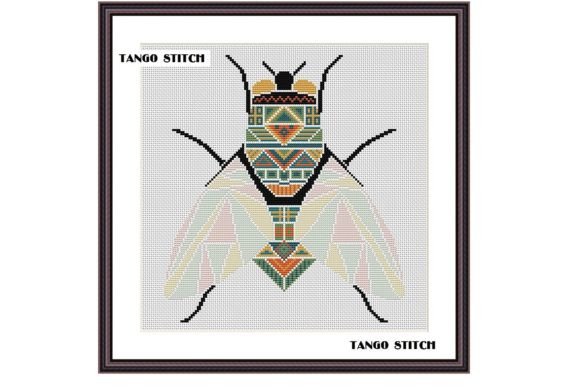
The moment I pulled up the preview for the Cute Ornament Fly Insect Cross Stitch, the vibe was immediately clear: this is a playful, slightly quirky design that bridges the gap between rustic farmhouse charm and modern irony. In the current market, "ugly cute" insects are having a major moment. Customers love items that spark conversation, and a fly rendered as a decorative ornament fits perfectly into that niche. It feels bold yet minimal, making it versatile enough for various demographics, from young adults looking for funny kitchen decor to seasoned collectors of unique textile art.
Unlike complex Cross Stitch Patterns that require hours of scrutiny to appreciate, this design works because it is instantly understandable. The concept of a fly framed like a holiday ornament is humorous and visually distinct. For an Etsy seller or boutique maker, this kind of immediate recognition is gold. It translates well from a digital thumbnail to a physical item sitting on a shelf, ensuring that potential buyers grasp the joke and the craftsmanship within seconds.
Product Applications for Craft Fair Booths
When setting up my table, I need to visualize exactly where this graphic will shine. The Cute Ornament Fly Insect Cross Stitch is not just a pretty picture; it is a functional element for a variety of craft fair products. Here is how I see it performing across different mediums:
- Tote Bags and Market Totes: This is likely the strongest contender. A large, centered placement on a natural canvas tote creates a statement piece. The simplicity of the design ensures it remains legible even when the bag is folded or partially full.
- Kitchen Linens: Tea towels and flour sack towels are staples of my booth. This design acts as a perfect tea towel embroidery accent. Placed near the bottom hem or in a corner, it adds a touch of personality to an otherwise plain utility item.
- Aprons: For the apron embroidery category, this design works beautifully on the bib or the lower pocket. It appeals to cooks with a sense of humor and makes for a memorable gift.
- Patches and Pins: If converted into an embroidered patch, this could be a high-margin add-on sale. Customers love buying small, affordable accessories to customize their own jackets or bags.
- Pillow Covers: As a focal point on a neutral linen pillow cover, the fly becomes a piece of wall-art-style decor that softens a living space.
The versatility of this Graphics file means I can create a cohesive collection. Imagine a display featuring a matching set: a tote, a towel, and an apron, all featuring the same charming fly. This "collection effect" encourages buyers to purchase multiple items rather than just one.
Production Feasibility and Batch Manufacturing
From a production standpoint, time is money. The description notes that this pattern uses only full stitches, which is a significant advantage for batch production. Fewer stitch types mean fewer thread changes and less machine downtime. For a small shop product line, efficiency is critical. I can hoop multiple items and run them in succession without constant supervision.
However, practical judgment is required regarding stitch density. While full stitches are generally robust, I must ensure the density isn't too high for lightweight fabrics like tea towels, which could cause puckering. Conversely, on thicker materials like tote bags, the stitch count needs to be sufficient to provide good coverage without looking sparse. Since the specific stitch count and hoop size are not detailed in the provided text, I would advise checking the digital embroidery file specifications before committing to a large run. Testing on scrap fabric is non-negotiable to confirm that the thread colors pop against the chosen background.
Visual Impact and Customer Engagement
In a crowded marketplace, visual appeal drives sales. The Cute Ornament Fly Insect Cross Stitch excels here because it breaks the monotony of typical floral or inspirational quote designs. It stops the scroll online and stops the foot traffic in person. When a customer sees a fly stitched with such care and presented as an "ornament," it triggers curiosity. "Why is that there?" they ask. That question opens the door for conversation, allowing me to explain the design story and the quality of the finished product.
Photography is another crucial factor. This design photographs exceptionally well for printable mockup creation and online listings. The high contrast typically associated with insect designs (often black bodies with colorful wings or eyes) ensures clarity in photos. For an Etsy seller, having images that clearly show the texture of the stitches and the humor of the design can significantly increase click-through rates.
Critical Considerations for Execution
While the design is promising, there are technical pitfalls to avoid. If you plan to use this on textured towels or dark fabrics, extra care is needed. Dark fabrics may require an underlay or a specific thread choice to prevent the base color from showing through the stitches. Additionally, if applying this to curved surfaces like caps, the rigidity of the cross-stitch style might not drape well unless the design is small and the stabilizer is heavy-duty.
It is also vital to verify commercial licensing. Just because a file is available does not automatically grant rights to sell finished goods. Always confirm the terms regarding commercial embroidery before listing items for sale. Furthermore, check the resolution and format of the file to ensure it is compatible with your specific machine software.
Designer's Checklist for Success
Before loading this design into my machine for the fair, I run through a quick mental checklist to ensure quality control:
- Fabric Test: Stitch a sample on the exact fabric weight intended for sale to check for puckering or gapping.
- Contrast Check: Ensure the thread colors stand out sharply against the fabric color; avoid low-contrast combinations that look muddy from a distance.
- Stabilizer Selection: Choose a cut-away stabilizer for stretchy fabrics and tear-away for stable wovens to maintain the crisp lines of the cross stitches.
- Size Verification: Confirm the design size fits the intended product area without overwhelming it or getting lost.
- Licensing Confirmation: Double-check that the license allows for the sale of physical finished goods.
In conclusion, the Cute Ornament Fly Insect Cross Stitch is a strong candidate for any handmade vendor looking to inject some personality into their inventory. Its blend of humor, simplicity, and visual clarity makes it a versatile asset for tote bags, kitchen linens, and decorative accents. With proper testing and attention to fabric compatibility, this design has the potential to be a standout seller that brings both smiles and revenue to your craft fair booth.