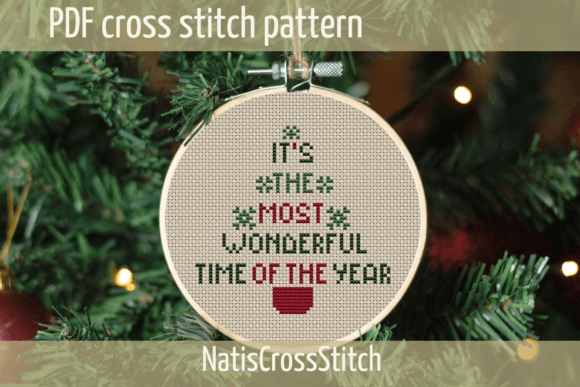
Christmas Tree Cross Stitch Pattern Review for Business
As an embroidery designer who spends most of my days digitizing logos and prepping files for commercial machines, I approach every new design with a critical eye. When I first encountered the Christmas Tree Cross Stitch Pattern, my immediate thought wasn't just about holiday decor; it was about potential application in the small business sector. For boutique owners, café managers, and handmade brand creators, finding the right seasonal asset can make or break a holiday merchandise line. This review evaluates this specific graphic not merely as a home craft project, but as a viable component for branded patches, staff uniforms, and customer gifts.
Visual Personality and First Impressions
The description promises to "bring the feeling of Christmas at your home" with the sentiment that it is the "most wonderful time of the year." From a branding perspective, this establishes an instant emotional connection. The aesthetic of a cross-stitch style inherently communicates handmade, rustic, and welcoming. Unlike sleek, vector-based modern logos, this design carries a texture that suggests care and tradition. For a local bakery, a florist, or a cozy bookstore, this visual personality aligns perfectly with a brand identity that values community and warmth. The use of the phrase "most wonderful time of the year" adds a narrative element, turning a simple tree image into a conversation starter. However, the "small" nature of the pattern mentioned in the product details suggests we must be strategic about where we place it to ensure legibility.
Real-World Applications for Small Business Merch
When considering small business merch, versatility is key. Here is how this design performs across various commercial embroidery projects:
- Embroidered Patches: This is arguably the strongest use case. A small, circular or square patch featuring this tree can be sewn onto denim jackets, tote bags, or even packaging inserts. The pixelated nature of cross stitch translates beautifully to satin or fill stitches when digitized correctly for a patch.
- Staff Uniforms and Aprons: For a coffee shop or boutique, adding a subtle festive touch to staff apron embroidery creates a unified look without being overwhelming. Placing this design on the chest pocket or the upper sleeve of a work shirt offers a professional yet festive accent.
- Cap Embroidery: While possible, cap embroidery requires caution due to the curved surface. If the design is simplified, it could work as a side-logo on a beanie or a structured cap, appealing to customers looking for subtle holiday gear.
- Tote Bag Design: Canvas totes are staples for retail brands. This pattern, stitched in high-contrast thread colors, would serve as an excellent limited-edition tote bag design for holiday shoppers, increasing the perceived value of the purchase.
- Product Packaging Accents: Beyond apparel, this graphic can be used on hang tags or fabric labels attached to handmade products, reinforcing the handmade product aesthetic that many Etsy sellers strive for.
Critical Considerations for Production
While the charm of the Christmas Tree Cross Stitch Pattern is undeniable, a professional designer must address the technical limitations before sending it to production. The product description notes it was stitched with "2 strands of DMC floss over 2 thread," which indicates a very fine level of detail intended for hand stitching. Translating this to a machine embroidery design or a digital file for commercial use requires careful adjustment.
Stitch Density and Size: One of the biggest risks with cross-stitch styles in machine embroidery is stitch density. If the design is scaled down too small for a patch or a hat, the stitches may become too close together, causing the fabric to pucker or the threads to break. It is crucial to test the design at the intended size. If the original file is a raster image or a hand-chart, it may need to be completely re-digitized as a proper embroidery file to manage jump stitches and trim points effectively.
Fabric Texture and Contrast: The success of this design relies heavily on thread colors contrasting against the fabric texture. On dark uniforms, you will need to ensure the green and red tones are bright enough to pop. Conversely, on textured fabrics like heavy canvas or wool blends, the finer details of the "most wonderful time of the year" text (if included in the graphic) might get lost. In such cases, simplifying the text or removing it entirely to focus on the tree icon might be necessary for clarity.
Washability and Durability: Items like aprons and work shirts undergo frequent washing. Cross-stitch patterns, if not backed with the correct stabilizer, can loosen over time. For commercial applications, using a cut-away stabilizer is often safer than tear-away to ensure the finished product maintains its integrity after multiple laundry cycles.
Impact on Brand Identity and Customer Trust
Incorporating seasonal elements like this into your design assets does more than just decorate; it humanizes your brand. When a customer sees a carefully embroidered patch on a product, it signals quality and attention to detail. This builds brand identity and fosters trust. It tells the consumer that the business invests in premium presentation. Furthermore, limited-run merchandise featuring this pattern can create a sense of urgency and exclusivity, driving buyer engagement during the critical Q4 shopping season. Consistency is vital; if your brand is known for rustic, artisanal goods, this pattern reinforces that narrative. If your brand is ultra-modern and minimalist, this design might clash unless used ironically or as a specific "maker" collection piece.
Professional Designer Notes for Implementation
Before committing to a large run of custom apparel or patches, I recommend the following workflow:
- Test in Black and White: Print or stitch a monochrome version first to check the contrast and readability of the shapes without the distraction of color.
- Verify Hoop Size: Ensure the design fits within your available hoop size constraints, especially if working with smaller items like infant wear or narrow cap brims.
- Create a Printable Mockup: Before stitching, generate a printable mockup to show clients or stakeholders exactly how the design will look on the specific garment color and fabric type.
- Check Licensing: Since this is a downloaded graphic, confirm the commercial licensing terms. Ensure you have the right to use it for commercial embroidery and resale, not just personal crafting.
- Compare Assets: Place this design beside your existing logo and other seasonal graphics to ensure visual consistency across your marketing materials.
In conclusion, the Christmas Tree Cross Stitch Pattern holds significant potential for small businesses looking to add a touch of holiday spirit to their offerings. Whether used as a standout embroidered patch or a subtle detail on staff uniforms, its success depends on thoughtful adaptation for machine production. By respecting the limits of stitch density and choosing the right applications, this design can become a valuable asset in your holiday merchandising strategy, delivering both aesthetic appeal and professional polish.